

Start free trial
All trades

KeystonePro for Roofing

The roof is measured. Is the job ready?

A roof report should be the start of a plan. Connect the scope, materials, crew, and job outcome so a missing box of fasteners does not become your afternoon.

Roofing professional working on a residential roof
THE WORK / ROOFING
Roof to material listSupplier & stock planningProof from the field

You know this day.

The expensive part is everything between the report and the roof.

You paid for the measurements. Now you get to retype them.

Areas, edges, pitch, and waste move from a report into an estimate, then into another material list. Every handoff leaves room for a miss.

Carry an imported roof report into an editable bill of materials, with waste, accessories, and field checks visible before anyone orders.
The crew is on the roof. The flashing is at the supplier.

A small missing item costs a parts run, a delivery fee, and time you cannot put back on the schedule.

Compare the job list with material on hand, reserve what is usable, and flag the remainder for pickup or delivery before install day.

You do not need a bigger yard. You need to know what is in it.

Leftover bundles, truck stock, and job-specific orders are hard to manage from memory. Extra stock at one site does not help a crew that cannot find it.

Track common materials by truck, storage location, or job, with minimum stock levels and a replenishment list. Start with the space you have.

Roof to ready

One roof. One material plan. Fewer supply runs.

Carry verified roof measurements into a bill of materials, ordering, and staging. Your supplier, waste assumptions, and crew still control the final plan.

K●Residential reroofExample job
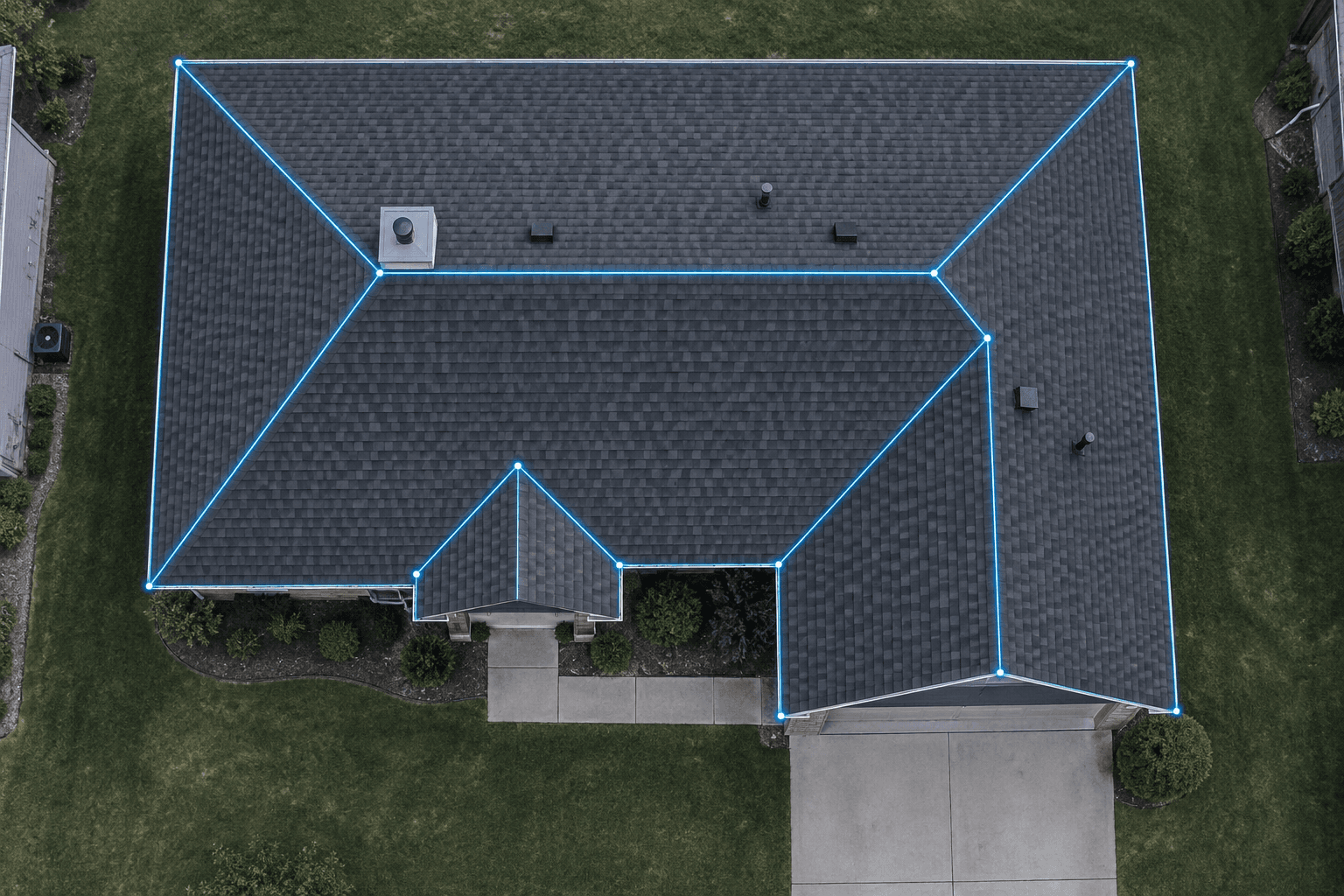
Overhead view of a shingle roof with cyan tracing aligned to its perimeter, ridges, hips, and valleys
Job scope24.0roof squares measured
  • 10% example waste allowance
  • Ridges, edges & penetrations
  • Field verification required

Final products, package rounding, roof conditions, and installation requirements determine the order.

KeystonePro Field

What the crew finds should reach the office before the invoice.

A photo of damaged decking, a missing accessory, or a finished detail can carry the context that a text message loses.

Capture it while you are there.

Job photos and voice notes, with comments that keep the conversation beside the evidence.

Make the next action clear.

Assigned punch items, material issues, and handoffs for the next visit. Completion goes to a manager for review.

Keep time connected to the work.

Hours by job and labor code, breaks, correction requests, and team review.

9:415G ▰
KeystonePro Field
Residential reroof
Roofing professional working on a residential roofJob evidence

Decking damage exposed at the rear valley. Photo attached for review.

Related punch itemDocument flashing before closeoutReady for review

A photo.
The context.
The next step.

The foundation in Keystone

The job should not have to start over at every handoff.

Lead to estimate

Customer details, site notes, measurements, and proposal options stay connected.

Sold scope to crew

Job assignments, project stages, permits, and punch lists give the team a shared record.

Work to review

Job evidence and labor time keep the details available when you review the result.

Better work. Better growth.

Buy more of the jobs that work for your business.

A booked inspection is only part of the story. Connect the lead to the proposal and job record, then use the outcome to ask better questions about your marketing.

Lead sourceRoof scopeProposal outcomeCrew time

Are the neighborhoods filling your calendar also producing the roofing work you want?

Explore Keystone marketing

Your trade. Your business.

Build a better day before the first ladder goes up.

Bring the awkward handoffs, the recurring headaches, and the tools you wish you had. Let’s talk through what would make a difference.