
Start free trial
All trades

KeystonePro for Painting

The paint is predictable. The prep is where the job changes.

Square footage does not reveal damaged trim, difficult access, extra coats, or a late color change. Put the work behind the finish into the estimate.

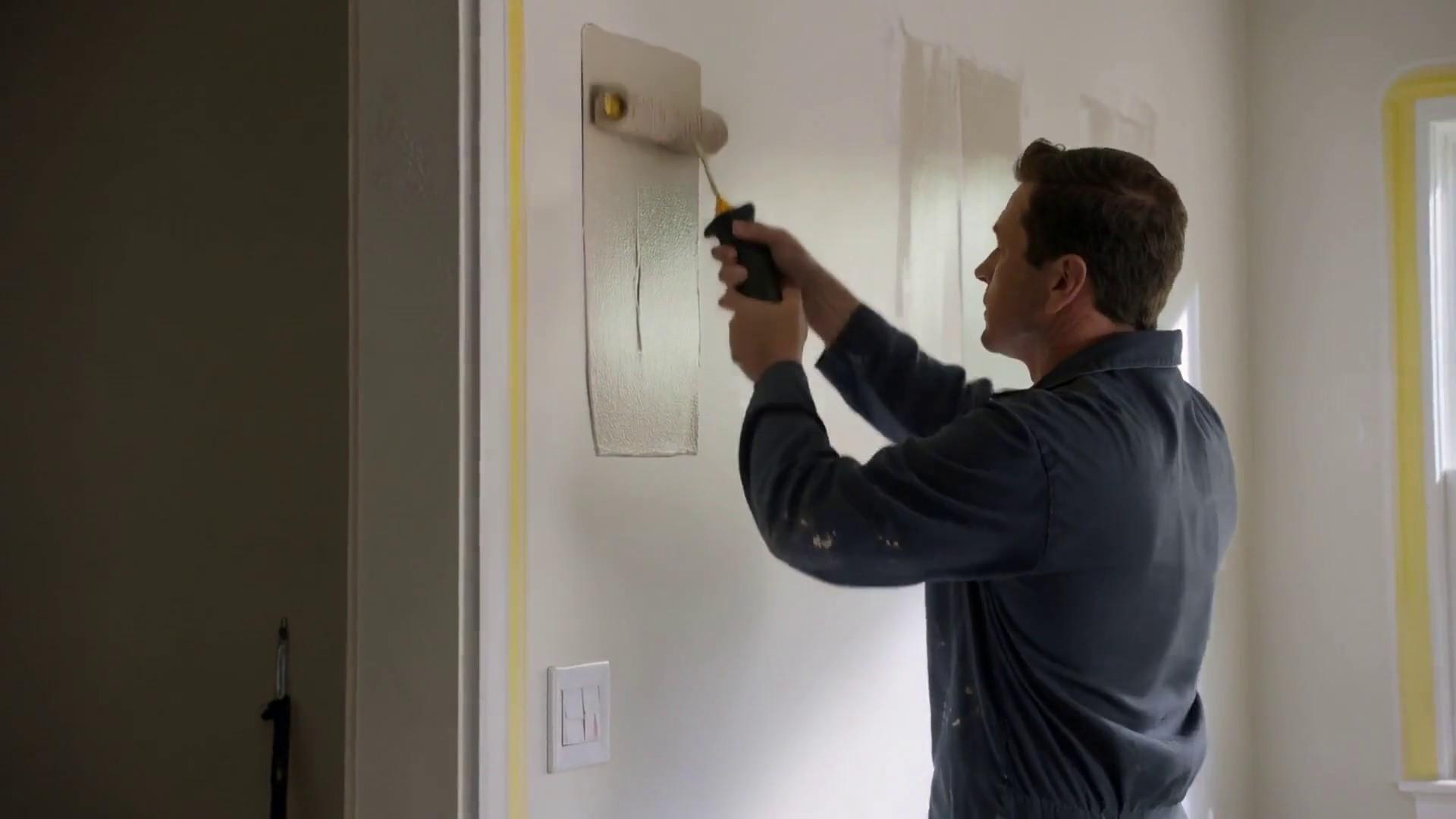
Professional painter completing interior work
THE WORK / PAINTING
Surface & prep scopeCoverage & coating plansColor decisions & punch work

You know this day.

A beautiful finish can still hide a bad estimate.

The room was measured. The prep was guessed.

Repairs, masking, furniture, height, and surface condition can take longer than coating. A flat square-foot price makes those hours easy to miss.

Keep measurements, notes, and risks by estimate area. Separate prep, primer, finish coats, and access into a scope the crew can actually price and follow.

The extra gallon costs more than the gallon.

A missed surface, unexpected coverage, or wrong sheen sends someone to the paint store while the rest of the work waits.

Create a coating schedule by room or elevation, using the selected product’s coverage and coat assumptions. Stage paint and sundries against that schedule.

The customer chose a new color. Your crew has yesterday’s screenshot.

Color codes, sheen, product, and approval need to travel together. A vague message can mean repainting work that was otherwise done well.

Keep an approved finish schedule with the job. Field photos, comments, and assigned punch items make the final touch-ups easier to find and resolve.

Surface to finish schedule

Price the preparation. Plan every coat.

Connect measured surfaces to prep, products, colors, and quantities. Coverage assumptions stay visible so they can be checked against the real surface.

K●Interior repaintExample job
Job scope4 roomswith separate finish schedules
  • Walls, ceilings & trim separated
  • Surface prep and access included
  • Product, color, sheen & coats recorded

Coverage varies by product, application method, and surface condition. Confirm quantities and color approvals before purchase.

KeystonePro Field

“Touch up that wall” is not a useful punch item.

A photo, a room, and a short note tell the next painter exactly what needs attention.

Capture it while you are there.

Job photos and voice notes, with comments that keep the conversation beside the evidence.

Make the next action clear.

Assigned punch items, material issues, and handoffs for the next visit. Completion goes to a manager for review.

Keep time connected to the work.

Hours by job and labor code, breaks, correction requests, and team review.

9:415G ▰
KeystonePro Field
Interior repaint
Professional painter completing interior workJob evidence

Patch near the living room window needs sanding before the finish coat.

Related punch itemResolve and photograph living room touch-upReady for review

A photo.
The context.
The next step.

The foundation in Keystone

The job should not have to start over at every handoff.

Lead to estimate

Customer details, site notes, measurements, and proposal options stay connected.

Sold scope to crew

Job assignments, project stages, permits, and punch lists give the team a shared record.

Work to review

Job evidence and labor time keep the details available when you review the result.

Better work. Better growth.

Find the painting work that rewards your process.

Connect the lead to the sold scope and recorded labor so the difference between straightforward work and heavy preparation stays visible.

Interior or exteriorLead sourcePrep scopeLabor time

Which projects are a good fit for your crew, and which need a different scope or price?

Explore Keystone marketing

Your trade. Your business.

Make the estimate as considered as the finish.

Bring the awkward handoffs, the recurring headaches, and the tools you wish you had. Let’s talk through what would make a difference.