
Start free trial
All trades

KeystonePro for Electrical

Price what is there. Flag what still needs checking.

The charger is the easy part to name. The route, panel, service capacity, access, and approvals decide the job. Give those details a place in the plan.

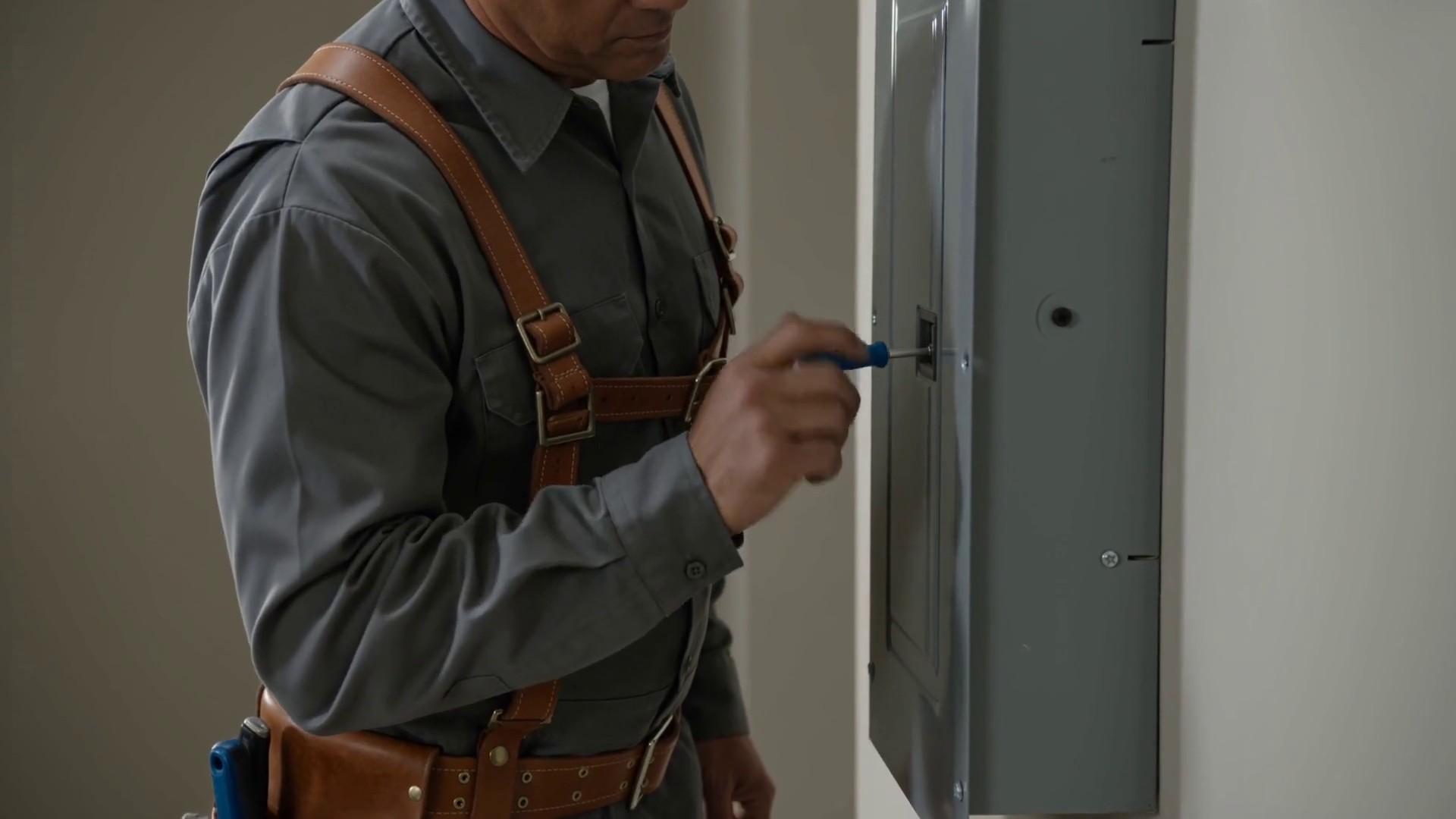
Electrician documenting a residential electrical panel
THE WORK / ELECTRICAL
Site & circuit contextScope verificationPermits & closeout evidence

You know this day.

The expensive surprises are rarely on the equipment label.

The customer wants an EV charger. You need to understand the route.

A simple enquiry can hide a long cable run, difficult access, panel constraints, or service work that changes the price.

Capture measurements, site notes, and risks with the estimate. Include route details, equipment goals, and a licensed-review checklist before pricing.

One missing component can stop the whole installation.

Cable, conduit, fittings, protection, and accessories must fit the approved design. Substituting whatever is on the truck is not a plan.

Build an assembly from the reviewed scope, confirm compatibility and availability, and stage the complete kit before the crew is assigned.

The work is finished. The inspection record is scattered.

Permit status, labeling photos, tests, and corrections can sit in separate inboxes when the job needs closing.

Use project permits, job evidence, and punch lists to keep closeout together. Bring photos, assigned corrections, and completion review into the same record.

Verified scope to install kit

Keep assumptions out of the approved scope.

Organize the information an electrician needs to review. Software prepares the record; licensed judgment controls the design and work.

K●EV charger installationExample job
Job scope45 ftexample route to verify
  • Panel and service details
  • Route, access & equipment location
  • Load and design review required

Verify the electrical design and load requirements with a licensed electrician. Keep customer photo requests to safely accessible areas.

KeystonePro Field

Keep the evidence with the circuit, the scope, and the job.

Capture installation details and open corrections so the office knows what is ready for inspection and what still needs attention.

Capture it while you are there.

Job photos and voice notes, with comments that keep the conversation beside the evidence.

Make the next action clear.

Assigned punch items, material issues, and handoffs for the next visit. Completion goes to a manager for review.

Keep time connected to the work.

Hours by job and labor code, breaks, correction requests, and team review.

9:415G ▰
KeystonePro Field
EV charger installation
Electrician documenting a residential electrical panelJob evidence

Completed route photographed for review before concealment.

Related punch itemAttach labeling and test documentationReady for review

A photo.
The context.
The next step.

The foundation in Keystone

The job should not have to start over at every handoff.

Lead to estimate

Customer details, site notes, measurements, and proposal options stay connected.

Sold scope to crew

Job assignments, project stages, permits, and punch lists give the team a shared record.

Work to review

Job evidence and labor time keep the details available when you review the result.

Better work. Better growth.

Grow the work your team is equipped to do well.

Keep the lead, reviewed estimate, and job outcome connected so project type and complexity can inform the next marketing decision.

Project typeSite requirementsProposal outcomeLabor time

Are EV, panel, and service enquiries becoming the right jobs for your team and territory?

Explore Keystone marketing

Your trade. Your business.

Give the details the same attention you give the work.

Bring the awkward handoffs, the recurring headaches, and the tools you wish you had. Let’s talk through what would make a difference.